The Courageous Side of People-Centred Leadership
The Courageous Side of People-Centred Leadership
Many leaders genuinely care about people. They want to create trust, support their teams well, and build healthy relationships. That matters. But care alone does not produce growth. When leaders consistently avoid hard conversations, lower standards, or sidestep accountability, they may unintentionally limit the very people they are trying to support. Constant rescuing and overprotecting can feel compassionate in the moment, but over time, it weakens ownership, resilience, and follow-through. Healthy leadership requires more than support alone. It requires the courage to help people grow.
Why Relational Leaders Often Stall
Many people-centred leaders are highly skilled at building trust and connection. They know how to: encourage people, create belonging, support others through challenges, build emotionally safe environments. But leadership becomes more difficult when relationships must also carry: expectations, accountability, difficult feedback, performance conversations, consistent follow-through. This is where many relational leaders begin to struggle. Not because they lack care. But because challenging people can feel emotionally risky. There is always the possibility of tension, disappointment, misunderstanding, damaging trust, being perceived as harsh.
So leaders sometimes stay in support mode longer than necessary. They continue helping, rescuing, and compensating for others rather than developing ownership within the team. Over time, however, teams do not mature through support alone. People also grow through: responsibility, clarity, challenge, feedback, accountability.
That is the tension of healthy leadership: caring deeply about people while still calling them higher.

From Trust to Momentum
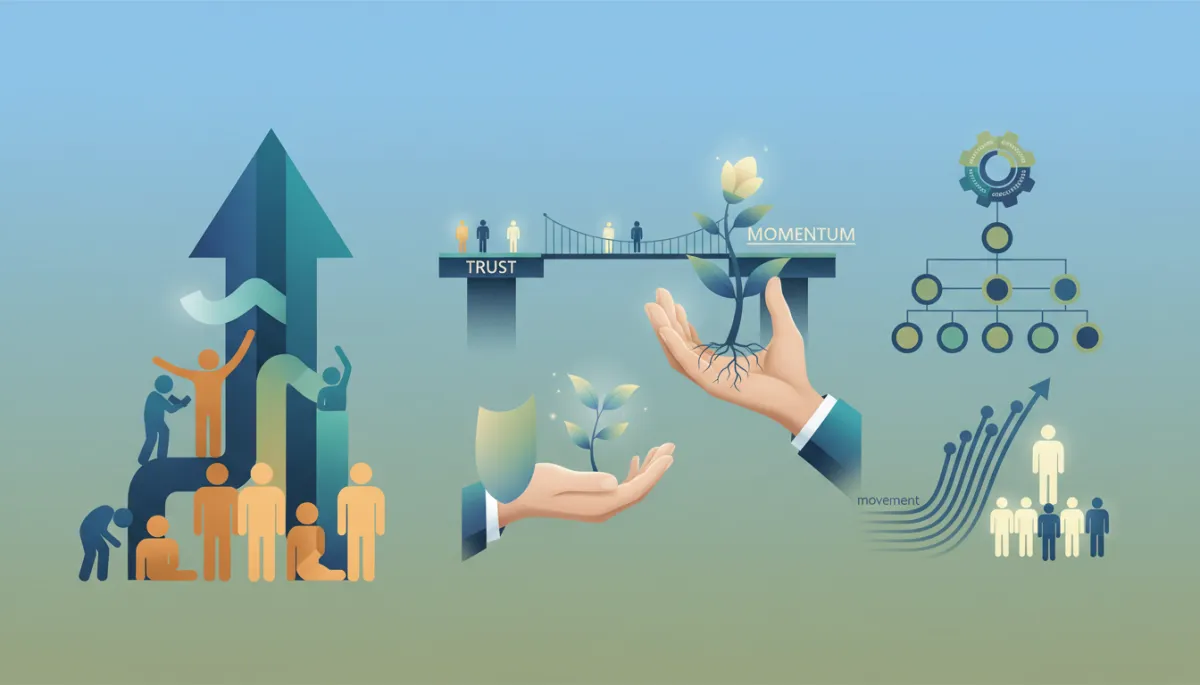
People-centred leadership builds trust through genuine care and relationships. Team leadership builds momentum by adding clarity, accountability, and direction. Healthy leadership needs both. People should feel valued, supported, and encouraged, but they should also know what is expected of them. Over time, this creates: ownership, consistency, reliability, growth, accountability, without losing humanity.
Good leadership culture should produce something. Healthy teams should grow in: capability, character, confidence, performance.
Team leadership should create movement: clearer priorities, better execution, stronger outcomes.
Care matters. But leadership must eventually produce movement.
🤍 Vera
Leadership & Communication Coach
Founder of The Honesty Lab & VeraChin.com


